In today’s fast-paced world, stakeholder engagement and community consultation play a crucial role in the success of any project or initiative. As a thought leader...


Quicker provides an intuitive, efficient, and effective means for our clients to connect with stakeholders, ensuring their voices are heard and considered in decision-making processes.
Access all stakeholder information in one place. Interactions, submissions, meetings, and more – through a unified profile. Easily organise, access, and update stakeholder data wherever you are - in the office, at home, or in the field. Quicker’s intuitive interface centralises all stakeholder submissions, making information readily accessible for enhanced decision-making.


Export and filter platform-wide data with ease. Generate detailed stakeholder reports and insights in seconds. Distill complex engagement and consultation data into actionable insights. Provide a comprehensive overview of stakeholder interactions, feedback trends, and community engagement levels through an intuitive dashboard.


AI isn’t just a background feature, it functions as a true partner in engagement. It streamlines analysis, processes feedback in real time, and highlights trends that might be missed otherwise. Incorporating machine learning into engagement and consultation processes unleashes new creative possibilities, catalysing breakthrough solutions at the intersection of technology and human insight.
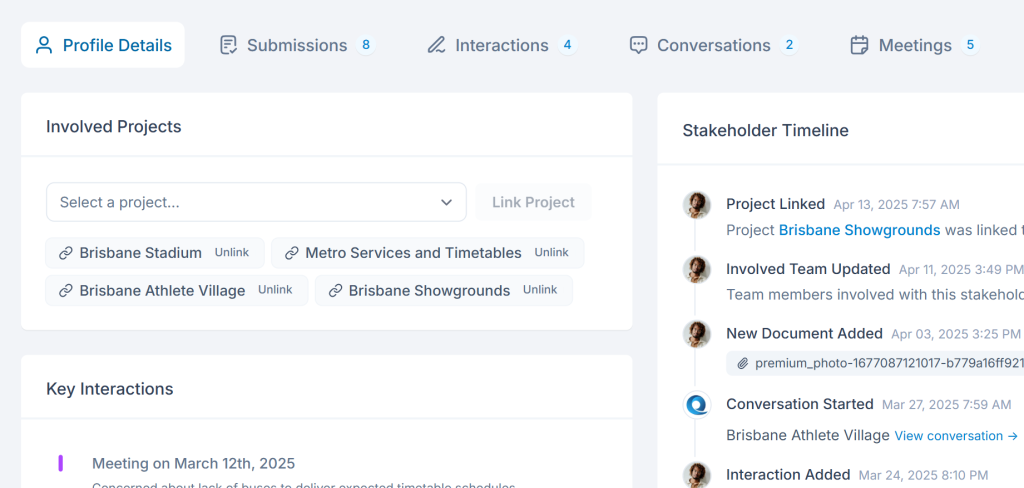

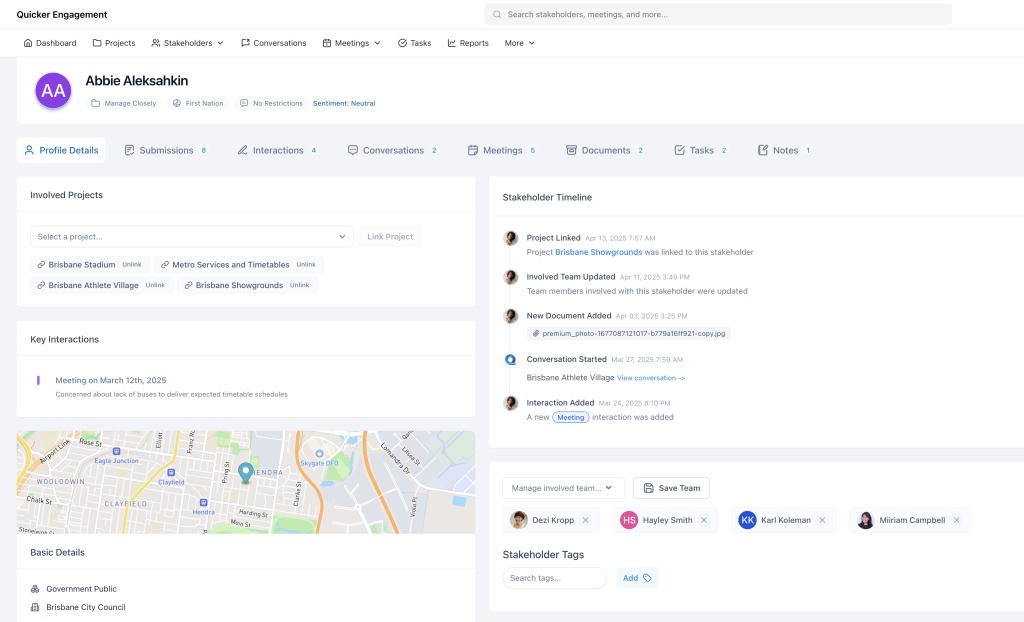
With Quicker, the creation, editing and management of projects is a simple process. Navigate effortlessly through project details, involved stakeholders, meetings, tasks, and timelines, with intuitive controls and clear visual cues guiding you every step of the way. Oversee internal and external projects in the Project Hub. Track related data, view involved stakeholders, manage tasks, and export key details.


Gather meaningful insights with surveys, polls, questions, and idea boards designed to capture intentional, relevant community input. From meetings, to detailed online surveys and immersive maps, these tools are designed promote active involvement and allow community members to share their insights and preferences in an engaging, responsive setting.


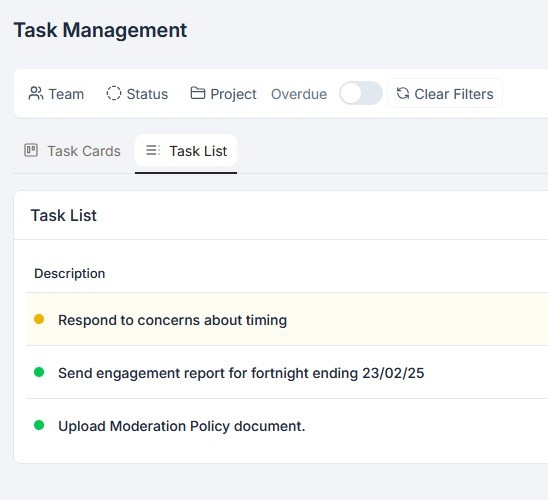
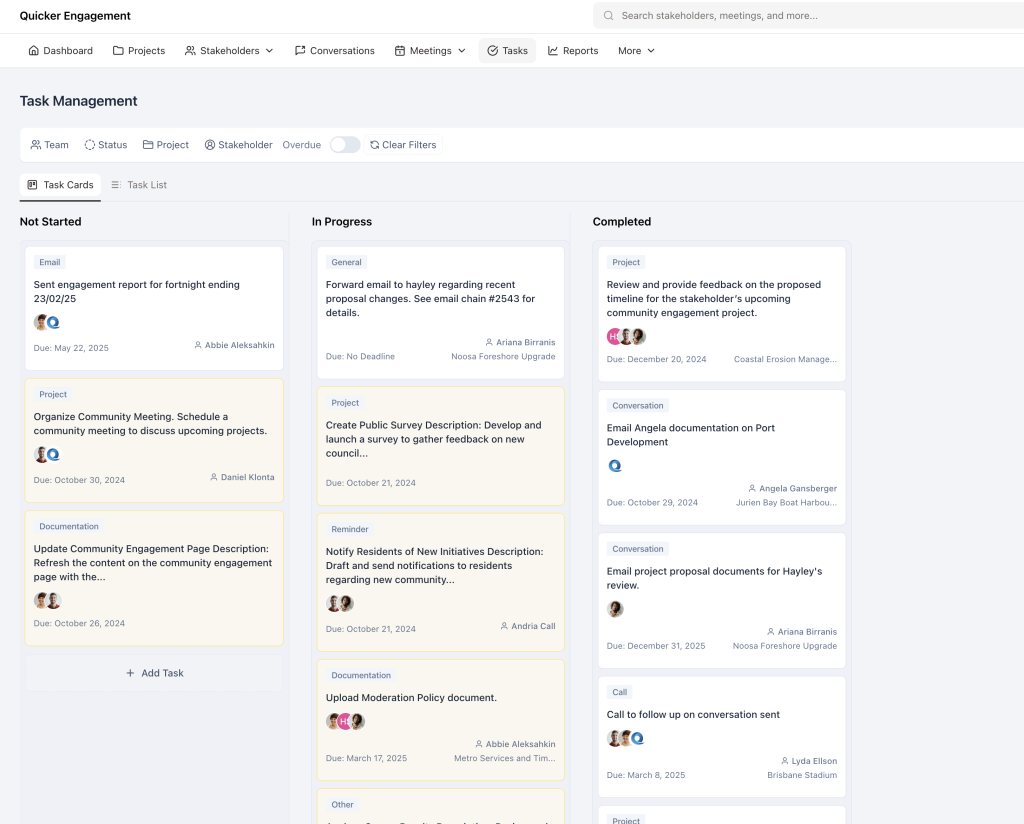
Assign and track tasks directly within the platform – no external tools needed. Link tasks to stakeholders, projects, conversations, and more for full context. Tasks enables consultation managers to efficiently organise, track, and oversee every aspect of their engagements with communities, ensuring that every task is accounted for and progresses smoothly.


Quicker’s flexibility and scalability makes it a platform suitable for any industry. It offers a sophisticated suite of stakeholder relationship management and consultation tools designed to streamline your engagement processes.
We’re fostering a community where every voice matters. Together, we can create a more democratic, equitable, and connected society. Designed with every user in mind, Quicker ensures that every voice is heard, every perspective valued.

In today’s fast-paced world, stakeholder engagement and community consultation play a crucial role in the success of any project or initiative. As a thought leader...
In today’s fast-paced world, stakeholder engagement and community consultation are more important than ever. As a thought leader in the field of stakeholder management, I...
In today’s fast-paced world, stakeholder engagement and community consultation have never been more important. As a thought leader in the field of stakeholder management, I...
In today’s fast-paced world, stakeholder engagement and community consultation have become essential components of successful project management. As a thought leader in the field, I...